
Dulwich area guide
Property, prices, schools and local life in Dulwich — from the Streets Ahead team who work here.
What is Dulwich like to live in?
Living in Dulwich
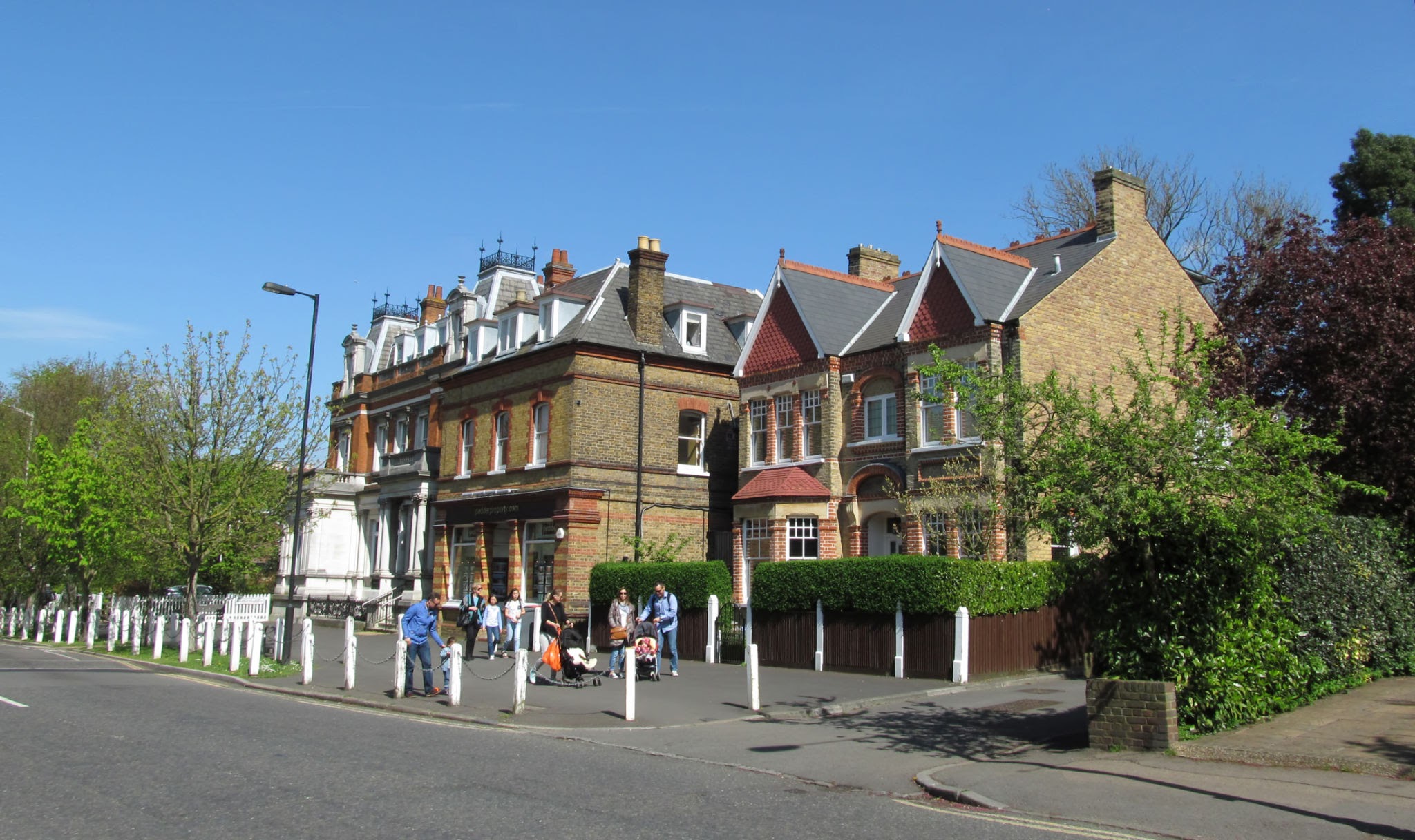
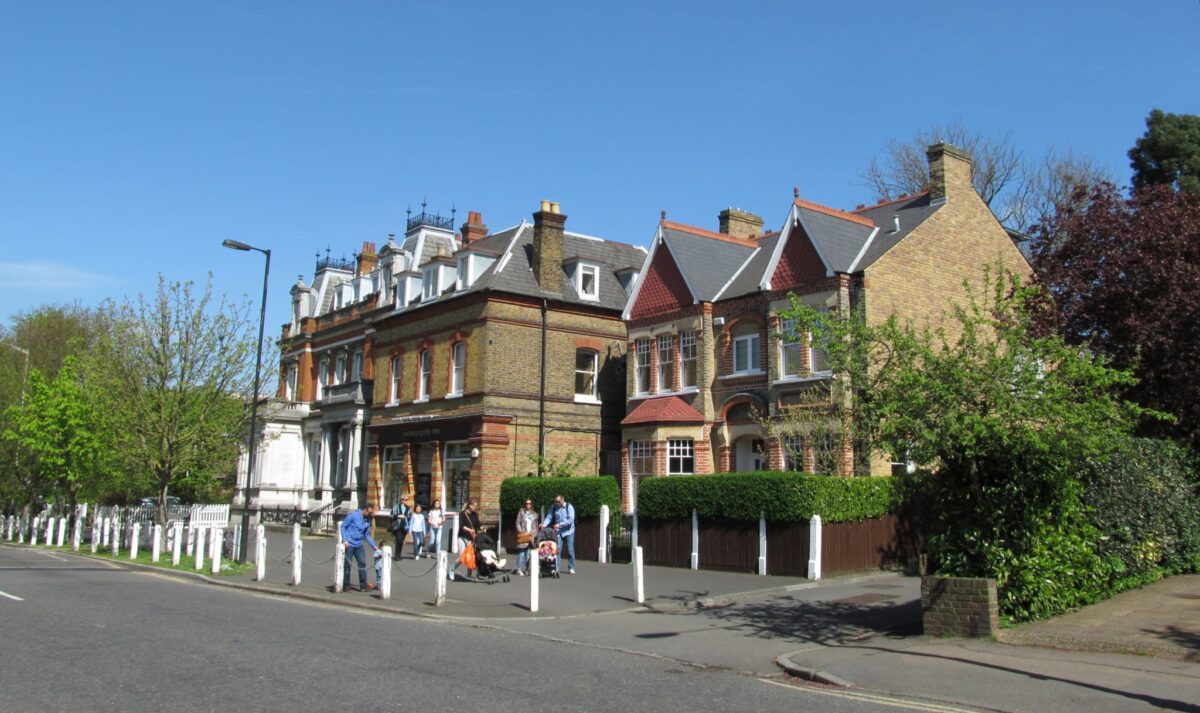
Dulwich sits in the London Borough of Southwark, south of the river and wrapped in more green space than almost anywhere else this close to central London. Between the park, the woods and the playing fields, it feels less like inner London and more like a set of villages that grew together. People move here for the space, the schools and the settled feel, and they tend to put down roots.
The area spans several distinct pockets across SE21, SE22, SE24 and SE27, each with its own character, from the older streets around Dulwich Village to the busier parades further out. Dulwich Park and the surrounding woods and commons anchor daily life, and the independent shops, cafes and galleries give the area a settled, well-kept feel. Neighbouring West Norwood, Gipsy Hill and Sydenham each sit within easy reach around the edges.
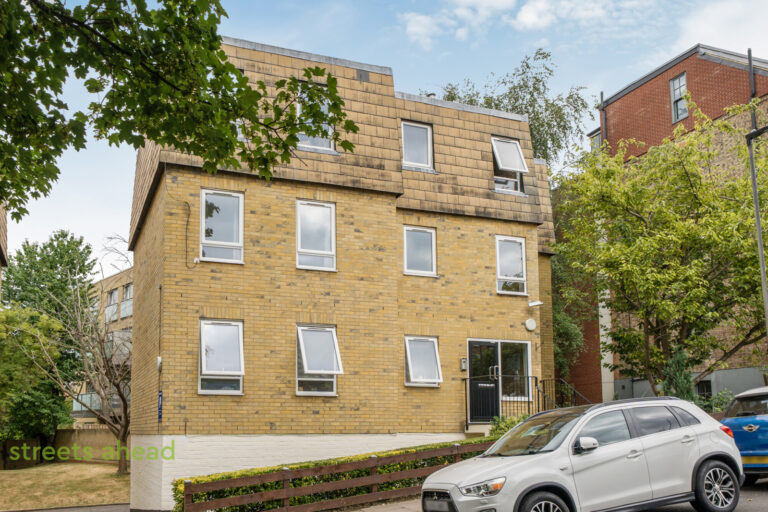
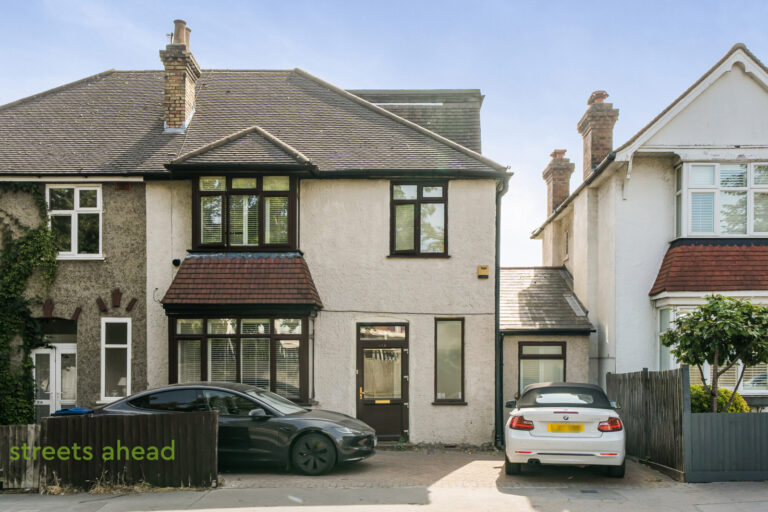
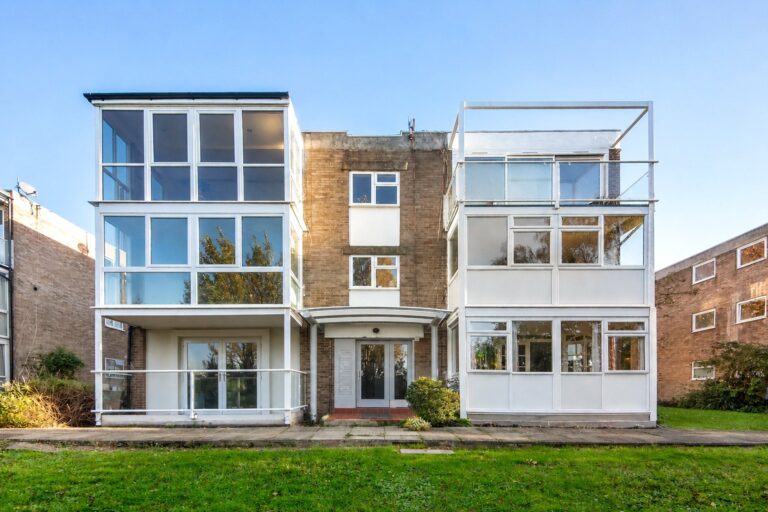
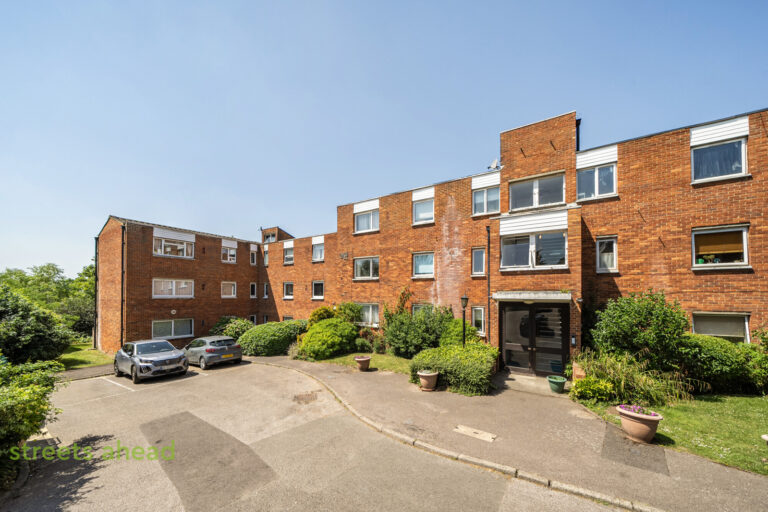
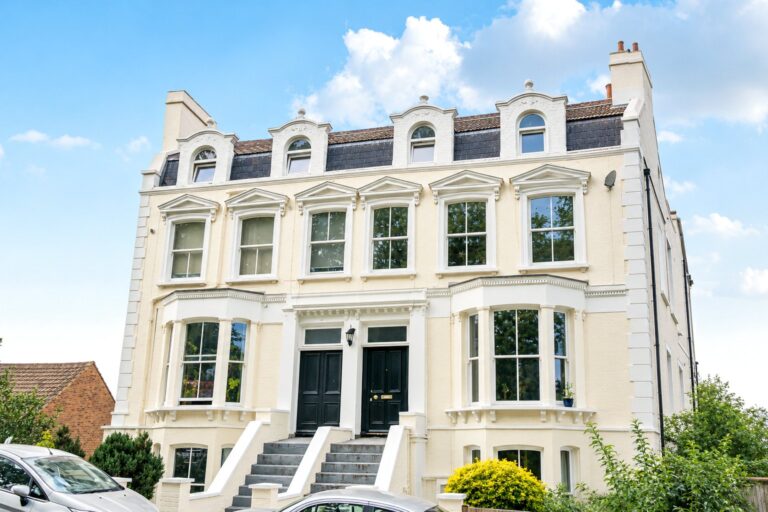
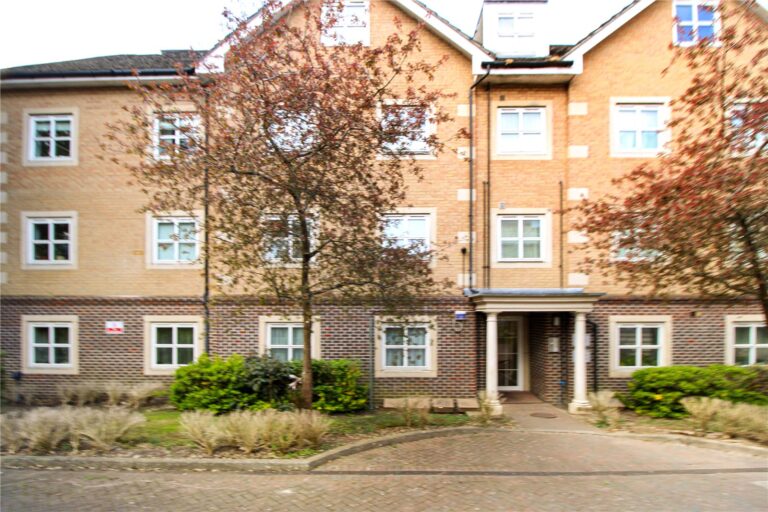
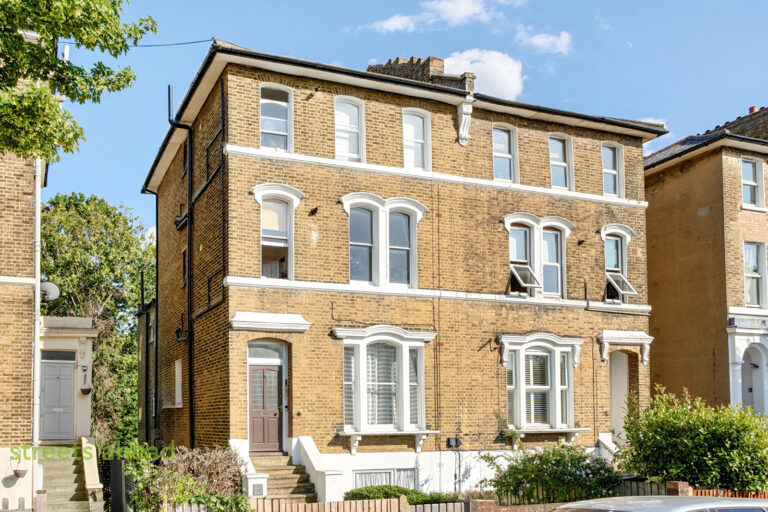
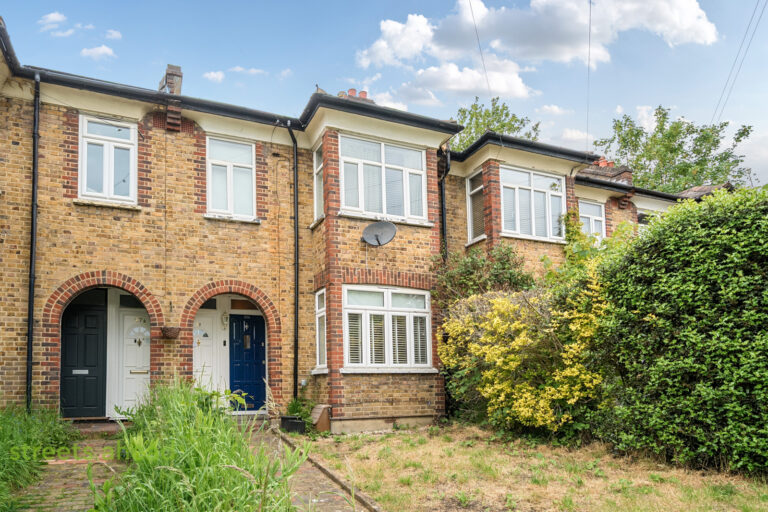
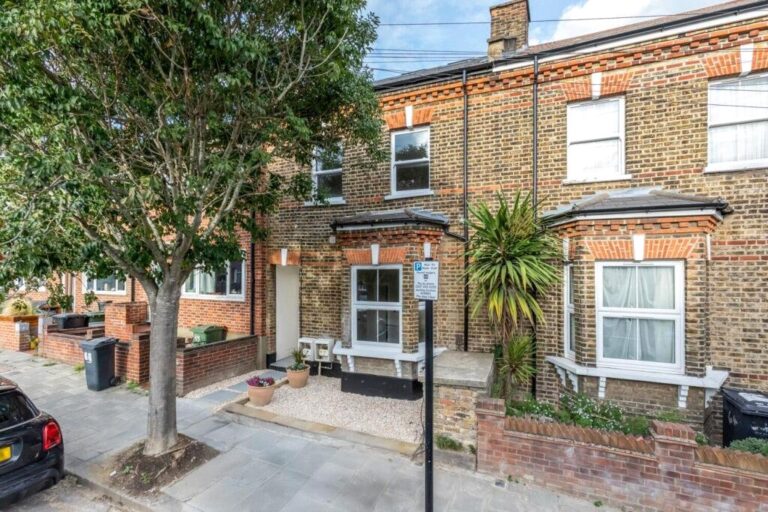
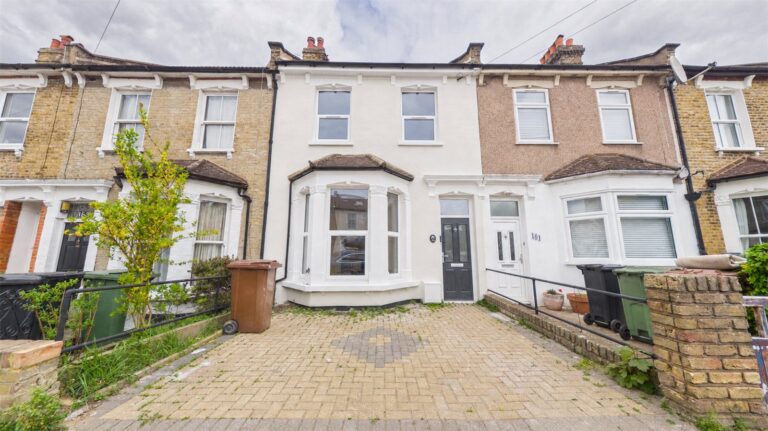
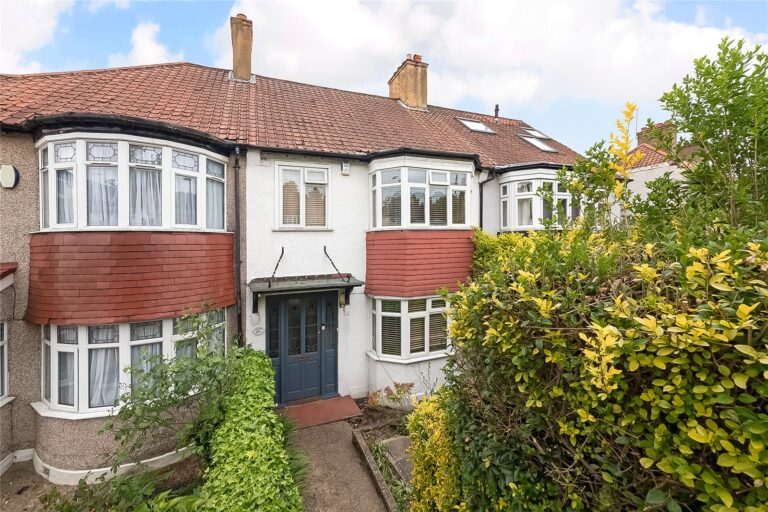
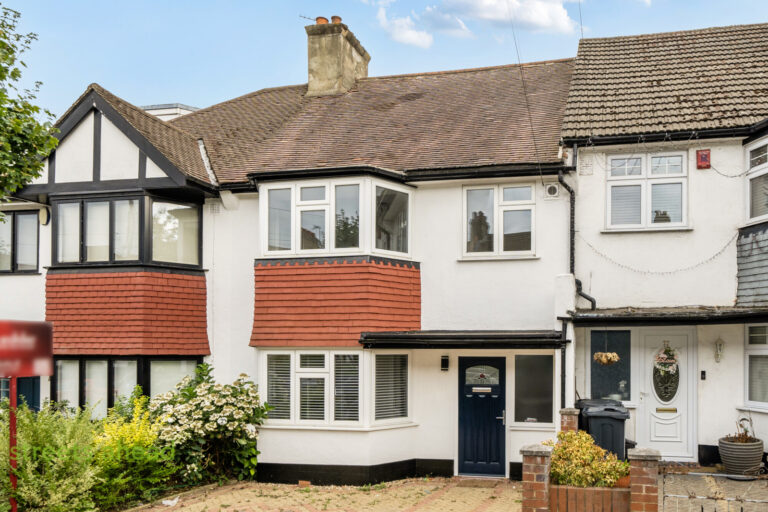
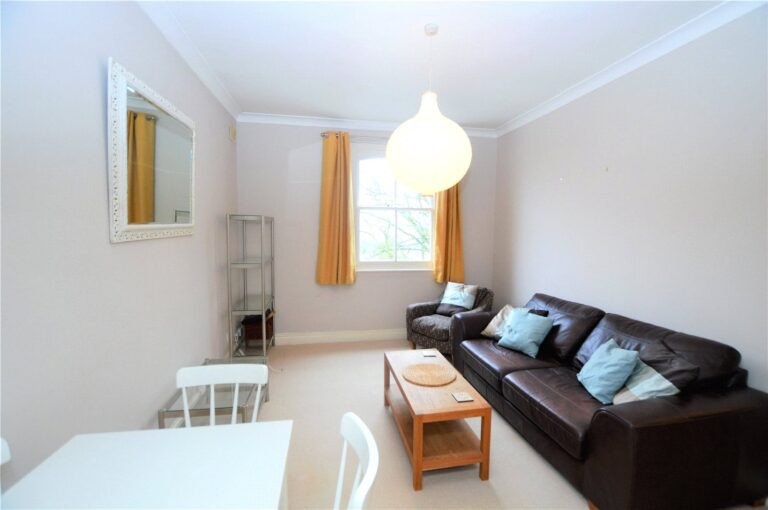
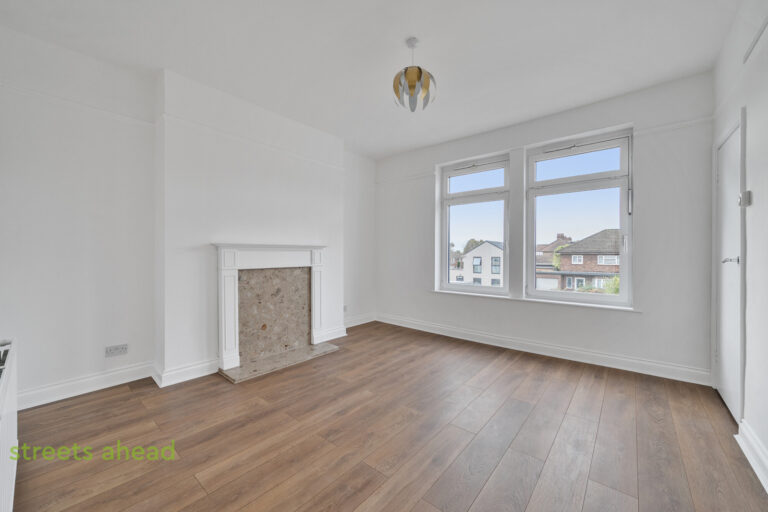
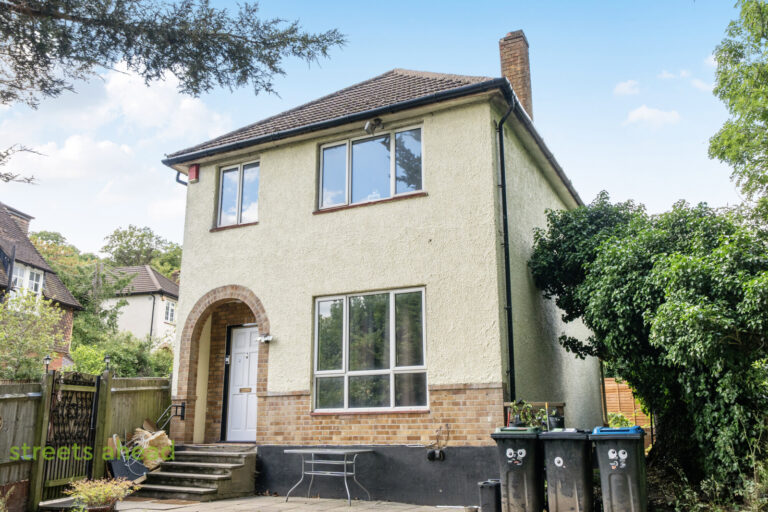
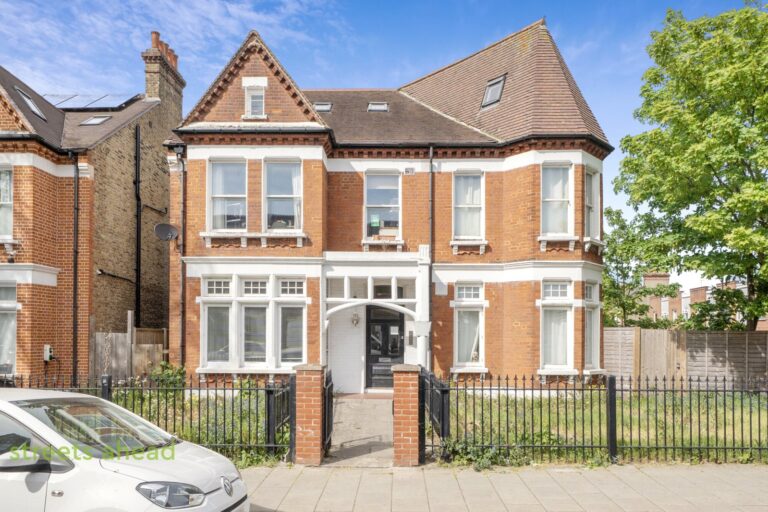
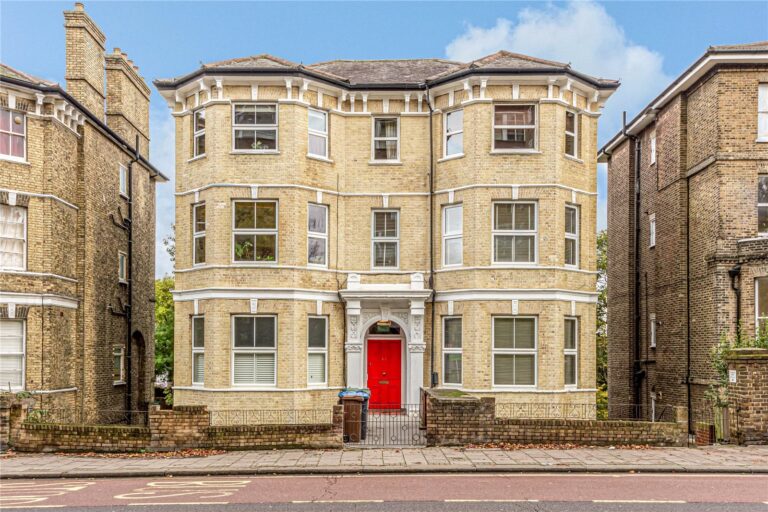
What people notice first is how green it is for somewhere so close to central London: tree-lined roads, playing fields and open commons that shape daily life as much as any high street. The housing runs from grand period houses on the older roads to Victorian and Edwardian terraces and mansion flats on the busier parades, so the range of homes and prices is wide even within a single postcode. It is an area buyers tend to commit to for the long term, often around a school run, rather than pass through.
Dulwich falls under Southwark Council, which sets the council tax, runs bin collections and handles school admissions across the area. A Band D home here is charged £1,967.26 for 2026-27. Because the area covers several postcodes and pockets, the street a home sits on matters a great deal; our local team can talk you through what a specific location means before you commit to a viewing.
How do you get to central London?
Dulwich is served by several National Rail stations across its pockets, giving routes towards London Victoria, London Bridge and Blackfriars depending on where you live. The exact station and line matter here more than in most areas, because the pockets are spread out, so it is worth weighing which one suits your regular journey. For current times and routes, check National Rail or TfL directly, as timetables change.
Because Dulwich is really several neighbourhoods sharing a name, two homes a mile apart can have quite different commutes, catchments and price points. That is why the first useful step is usually narrowing down which pocket suits you before comparing individual streets, rather than treating the whole area as one market.
Buses run across South London and towards the centre, and drivers have the South Circular (A205) close at hand. For a frank view of which pocket of Dulwich fits your commute, our local team knows the trade-offs street by street rather than in the abstract.
Dulwich in numbers
Local facts and figures from official sources
The median sold house price in Dulwich is £627,000, based on 687 sales across SE21, SE22, SE24 and SE27 between Sep 2025 – Sep 2026 (HM Land Registry Price Paid Data). Terraced houses sell for a median of £878,750, flats and maisonettes £466,000, semi-detached houses £1,340,000, and detached houses £1,825,000.
Council tax on a Band D home in Dulwich is £1,967.26 for 2026-27 (London Borough of Southwark, MHCLG).
Dulwich has a population of 31,687, of whom 47.7% own their home and 24.3% rent privately (Office for National Statistics).
There are 28 state schools in the Dulwich area, including 18 primary and 7 secondary schools (Ofsted / Department for Education, state-funded schools management information).
House prices
£627,000 Median sold price in SE21, SE22, SE24, SE27 (687 sales, Sep 2025 – Sep 2026)
| Detached | £1,825,000 |
|---|---|
| Semi-detached | £1,340,000 |
| Terraced | £878,750 |
| Flat / maisonette | £466,000 |
Southwark borough average: £572,478 +0.1% year on year
Source: HM Land Registry Price Paid Data (SE21, SE22, SE24, SE27, standard sales), Sep 2025 – Sep 2026
Source: HM Land Registry UK House Price Index (Southwark), July 2026
Private rents
£2,402 Average monthly rent in Southwark +2.1% year on year
| Detached | £3,200 |
|---|---|
| Semi-detached | £3,314 |
| Terraced | £2,764 |
| Flat / maisonette | £2,115 |
Source: Office for National Statistics, Price Index of Private Rents (Southwark), June 2026
People & housing
31,687 Residents in the Dulwich Village, Dulwich Wood and St Martin's wards
| Owner occupied | 47.7% |
|---|---|
| Shared ownership | 1.1% |
| Social rented | 26.7% |
| Private rented | 24.3% |
Source: Office for National Statistics (via Nomis, ward level), Census 2021
Council tax
£1,967.26 Band D in Southwark, 2026-27
| Band A | £1,311.51 |
|---|---|
| Band B | £1,530.09 |
| Band C | £1,748.68 |
| Band D | £1,967.26 |
| Band E | £2,404.43 |
| Band F | £2,841.60 |
| Band G | £3,278.77 |
| Band H | £3,934.52 |
Source: MHCLG, Council Tax levels set by local authorities in England, 2026-27
Schools
28 State-funded schools in this area’s postcodes
Primary (18)
- Dulwich Hamlet Junior School Ofsted: Outstanding
- Dulwich Village Church of England Infants' School Ofsted: Outstanding
- Dulwich Wood Primary School Ofsted: Good
- Elm Wood School
- Goodrich Community Primary School Last inspected Nov 2021
- Goose Green Primary and Nursery School Ofsted: Good Last inspected Jun 2025
- Grove Primary School Last inspected Feb 2022
- Harris Primary Academy East Dulwich Last inspected May 2023
- Heber Primary School Ofsted: Good Last inspected Mar 2025
- Jessop Primary School Ofsted: Outstanding
- Judith Kerr Primary School Ofsted: Good
- Julian's School Last inspected Jun 2023
- Kingswood Primary School
- Rosendale Primary School Ofsted: Outstanding
- St Anthony's Catholic Primary School Last inspected Nov 2021
- St Jude's Church of England Primary School Ofsted: Good
- St Luke's Church of England Primary School Ofsted: Good Last inspected Mar 2022
- St Saviour's Church of England Primary School Last inspected Jul 2024
Secondary (7)
- Ark Evelyn Grace Academy
- Harris Boys' Academy East Dulwich Ofsted: Outstanding
- Harris Girls' Academy East Dulwich Ofsted: Outstanding
- Kingsdale Foundation School Ofsted: Outstanding
- The Charter School East Dulwich Last inspected May 2024
- The Charter School North Dulwich Ofsted: Outstanding Last inspected May 2026
- The Elmgreen School Ofsted: Good Last inspected Jan 2020
Ofsted no longer issues single overall grades for inspections after November 2025 — follow a school’s link for its full, current report card.
Source: Ofsted / Department for Education, state-funded schools management information, 31 August 2026
Contains HM Land Registry data © Crown copyright and database right 2026, licensed under the Open Government Licence v3.0. Contains public sector information (ONS, MHCLG, DfE/Ofsted) licensed under the Open Government Licence v3.0.
The Dulwich property market
Property and schools
Across SE21, SE22, SE24 and SE27, the median sold price over the most recent twelve months was £660,000 — but that single figure hides a wide spread by property type. Flats and maisonettes, the most accessible way into the area, sold at a median of £480,000. Terraced houses reached £875,000. Semi-detached houses came in at £1,346,753, and the small number of detached houses at £1,850,000.
If you are renting, average private rents in Southwark stood at £2,402 a month — this is a borough-level figure, not Dulwich-specific, so treat it as a guide. Around 24.3% of local households rent privately (Census 2021), so tenant demand is steady. Whether you are selling or letting, the numbers move quickly, so the most useful figure is a current appraisal of your own property.
The spread here is unusually wide: the gap between a flat at the median and a semi-detached house is several hundred thousand pounds, and the detached figure sits higher again on a small number of sales. That means headline averages tell you very little on their own. What matters is the specific type of home, the pocket it sits in and its condition, all of which move the number a long way in either direction.
Where to live in Dulwich
The most sought-after streets tend to sit close to the park or within walking distance of a station, where period character and green space meet an easy commute. Buyers after more space for their money often look towards neighbouring West Norwood and Gipsy Hill, where budgets can stretch further while keeping the same green surroundings close. For a straight view of what a given budget buys right now, book a conversation with our team.
Schools and families
The area has 18 state primary schools and 7 state secondaries, including Ark Evelyn Grace Academy, Harris Boys’ Academy East Dulwich, Harris Girls’ Academy East Dulwich, Kingsdale Foundation School, The Charter School East Dulwich and The Charter School North Dulwich, with admissions run by Southwark Council. Because catchments and admission criteria change year to year, check each school’s current Ofsted report and Southwark’s published criteria directly before you apply. Given how much of the local market moves around the school run, it is worth mapping the schools you are interested in against the pockets you are considering before you narrow the search. If schools are shaping your move, our team can talk you through the streets that suit.
Dulwich property questions, answered
Good to know
What is the average house price in Dulwich?
The median sold price in Dulwich (SE21, SE22, SE24 and SE27) was £660,000 over the most recent twelve months. By type: detached £1,850,000, semi-detached £1,346,753, terraced £875,000, and flats or maisonettes £480,000. The property type matters as much as the postcode when you are setting a budget, so treat the median as a starting point rather than a fixed figure.
Which borough is Dulwich in?
Dulwich is in the London Borough of Southwark, which sets the council tax, runs bin collections and handles school admissions for the area. Council tax on a Band D home is £1,967.26 for 2026-27. The borough also shapes local planning and services, so it is worth confirming when you compare Dulwich with neighbouring areas that fall under other boroughs.
How do you get from Dulwich to central London?
Dulwich is served by several National Rail stations across its pockets, with routes towards London Victoria, London Bridge and Blackfriars depending on where you live. Because the area spreads across SE21, SE22, SE24 and SE27, your nearest station and line matter. For exact current times and routes, check National Rail or TfL directly, as timetables change.
What are the schools like in Dulwich?
Dulwich has 18 state primary schools and 7 state secondaries, including Ark Evelyn Grace Academy, Harris Boys’ Academy East Dulwich, Harris Girls’ Academy East Dulwich, Kingsdale Foundation School and The Charter School East and North Dulwich, with admissions run by Southwark Council. Because catchments and admission criteria change year to year, check each school’s current Ofsted report and Southwark’s criteria directly before applying.
Is Dulwich a good place to live?
Dulwich offers more green space than almost anywhere this close to central London, period streets across several pockets, and a strong choice of state schools. Around 47.7% of households own their home and 24.3% rent privately (Census 2021), making it settled but mixed in tenure. It suits families and buyers who want space, greenery and a village feel within reach of the centre.
What is the rental market like in Dulwich?
Average private rents in Southwark were £2,402 a month (a borough-level figure, not Dulwich-specific), and around 24.3% of local households rent privately (Census 2021), so tenant demand is steady. Landlords can read our Ultimate Landlord Guide or contact our lettings team for a current appraisal.
Explore nearby areas
Close to Dulwich
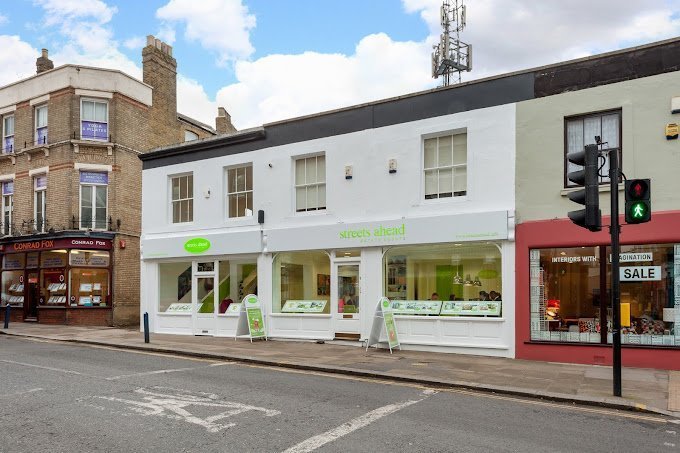
Streets Ahead Crystal Palace
Your local branch
4-8 Westow Street, Crystal Palace, SE19 3AH
This area guide is maintained by our Crystal Palace branch team, who cover Dulwich sales and lettings.
Visit the Crystal Palace branch →